
Engineered in Canada. Proven on Canadian Commercial Rooftops.
Canadian commercial rooftop projects leave little room for error. Snow accumulation, wind exposure, roof loading, membrane constraints and changing weather conditions can all affect how an array must be designed, installed and maintained.
For EPCs and installers, choosing commercial solar racking in Canada is therefore about more than selecting hardware. The right partner should help identify risk early, respond when project conditions change and support projects from early layouts through to as-built installations.
With over 300 MW deployed across 1000+projects, KB Racking brings more than a decade of commercial rooftop experience to projects across Canada.
Engineering that starts with the roof
No two commercial rooftops are the same. Project location, roof type, building conditions, roof zones and structural limits all influence the final mounting approach.
KB’s engineering team begins with the building, characterizing the roof, location and project requirements before recommending a ballasted, hybrid, anchored or metal-roof solution. Designs are developed around applicable building-code requirements and supported by KB’s Canadian engineering credentials, including CSA T.I.L. A-40:2020 conformity, RWDI boundary-layer wind tunnel testing and independent DNV technology assessments on key systems. A project-specific approach helps EPCs address wind, snow and roof-loading requirements without forcing every project into a one-size-fits-all mounting approach.
The result is a more defensible design, clearer documentation and fewer surprises as the project moves from bid to installation.
Canadian manufacturing positions closer to projects
With manufacturing in Ontario and British Columbia, KB Racking is building a smarter Canadian production network, closer to customers, closer to projects, and better positioned to reduce unnecessary freight.
That footprint is strategic. By manufacturing closer to where projects are being built, KB can reduce long-distance freight, limit unnecessary movement of raw materials and finished components, and respond more efficiently to regional demand.
For Canadian EPCs, that can mean lower shipping costs, more predictable lead times and less exposure to cross-border delays, currency fluctuations and freight volatility.
It also gives customers direct access to Canadian engineering, project management and logistics teams working in their own time zones.
As KB expands its Canadian presence, the goal is simple: build closer to the customer, ship less distance, and keep more of the project cost in the racking instead of the freight.
Reducing Project Risk Through Local Support
Canadian-made racking is more valuable when the support behind it is just as local. KB brings engineering, manufacturing, project management and logistics closer to the jobsite, helping EPCs move faster when designs change, questions come up or schedules tighten.
That support continues throughout the project. KB’s engineering team stays closely involved, helping EPCs respond to changing roof conditions and identify practical design solutions without adding unnecessary complexity.
For installers, that can mean fewer parts, less time on the roof and straightforward systems crews can work with confidently. And when a roof specification changes, an installation issue comes up or a deadline tightens, KB’s local team can respond quickly to help keep the project moving.
Proven on Canadian Commercial Rooftops
Across Canada, KB systems are being applied to the real rooftop constraints that shape commercial solar projects.
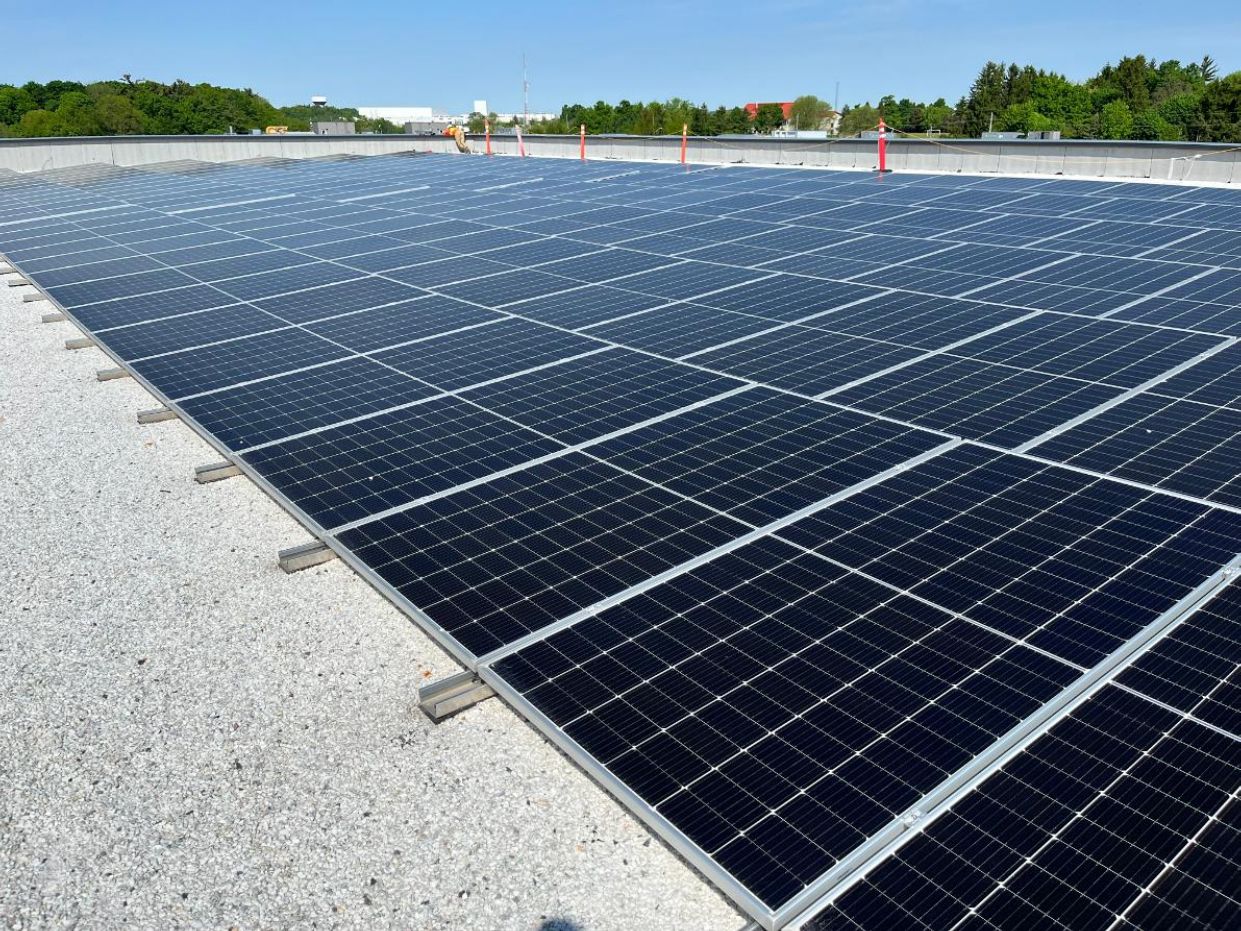
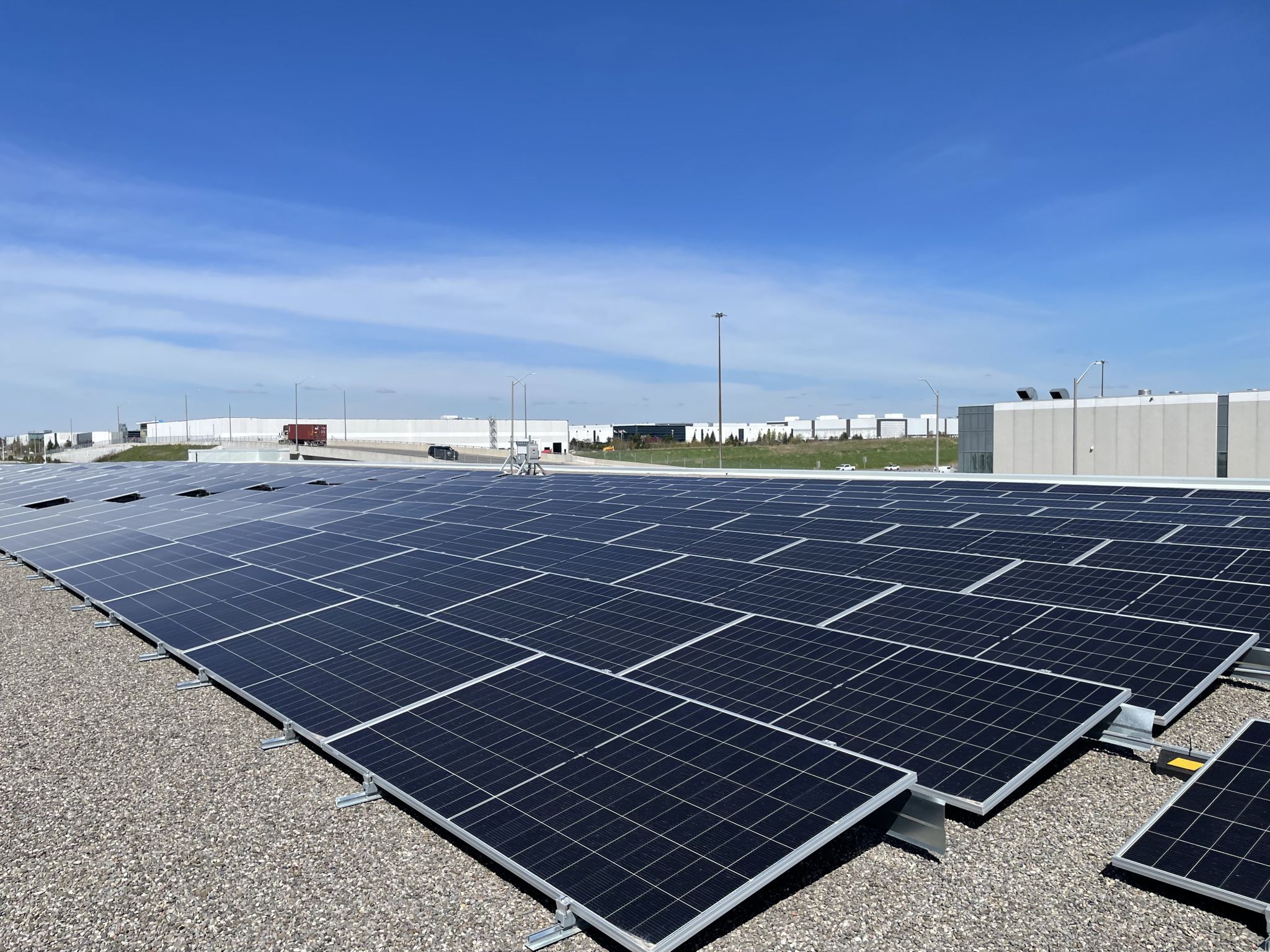
At Conestoga College in Cambridge, Ontario, AeroRack supported a 1.45 MW rooftop array with 2,634 modules.
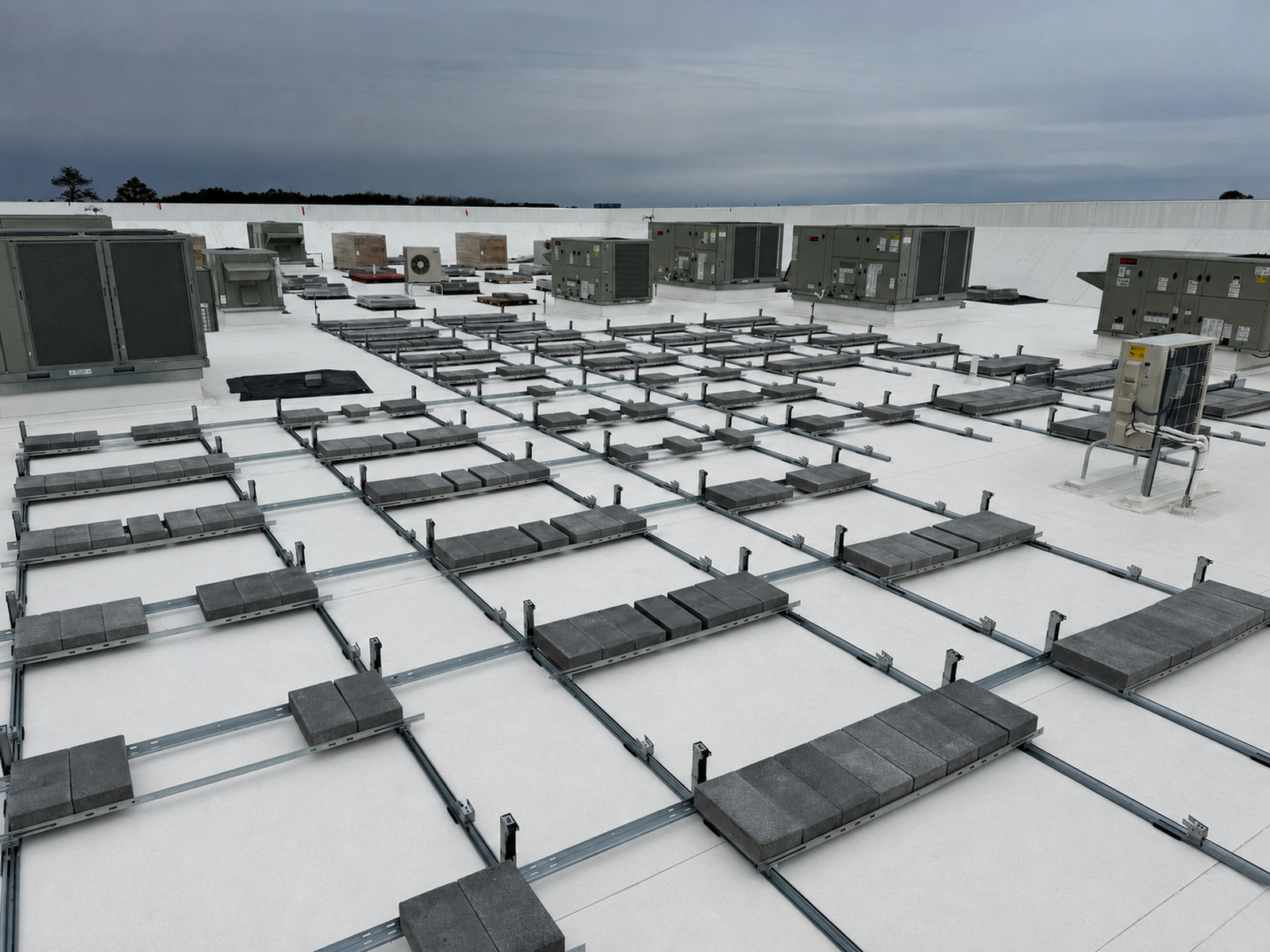
On a 3.22 MW rooftop project in Toronto, the challenge was different: the roof required a low-PSF solution. AeroGrid provided the lightweight mounting approach needed to meet the project’s structural requirements without adding unnecessary complexity.
Planning a Commercial Rooftop Solar Project in Canada?
Connect with our team to find the right solution for your roof's unique needs. Or, for a faster start, fill out our quick quote form and our team will connect with you within 24 hours.
Frequently Asked Questions
Is KB Racking manufactured in Canada?
Yes. KB manufactures through facilities in Ontario and British Columbia, strategically positioning production closer to customers and projects across Canada.
Does KB Racking provide ballast plans and project-specific engineering reports?
Yes. For applicable ballasted systems, KB provides project-specific ballast plans and engineering documentation based on the final layout, building conditions and design requirements. The ballast required is calculated for the specific project rather than estimated from a standard rooftop condition.
Can KB provide layout and engineering support before a purchase order is issued?
Yes. Submit the project information to KB and our design team can develop a project-specific layout, engineering package and full ballast plan where applicable, without requiring a purchase order upfront. That gives a clear proof of concept before committing to the project.
How is KB Racking different from other racking companies?
KB combines installer-focused productdesign with a highly connected project-support model.
Systems such as AeroGrid are designed to be intentionally lean. AeroGrid is designed around a one-directional installation flow, with pre-fit hardware, integrated functions and components that do more than one job. Where a traditional system may require a separate nut, bolt, bracket or fastening step, AeroGrid is designed to eliminate one of those pieces wherever possible.
Supports click into position, hardware is pre-installed where it can be, and components are designed to align and adjust without forcing installers into overly precise field tolerances. The goal is simple: fewer loose parts, fewer fastening steps, less measuring and less opportunity for error on the roof.
Behind the product, each project issupported by a dedicated Project Manager who serves as the central point ofcoordination across engineering, production, logistics and installationsupport. Customers do not need to navigate different departments to find theright person. The KB team stays connected around the project and helps keep itmoving from design through installation.
What information does KB need to start a project?
Project location, roof type, preliminary layout and available building details are usually enough to get started. From there, KB can help determine the right mounting approach and next engineering steps.
